
Murrieta, CA Window Tint: Key Considerations for Riverside County Drivers Murrieta sits in southwestern Riverside County along the I-15 and I-215 corridors, where inland Southern California heat, low relative humidity, and year-round UV exposure create demanding conditions for window film. Vehicles commuting between Murrieta and the greater Temecula Valley accumulate significant solar heat during peak summer months, and the region’s dry, sun-heavy climate accelerates the degradation of inferior film products faster than coastal or temperate markets. Evaluating what matters before any appointment prevents the cost and frustration of early film failure or California compliance issues. Film Performance in Inland Southern California Heat Murrieta’s inland position within Riverside County intensifies solar exposure compared to coastal communities. The valley’s combination of dry summer heat and strong UV radiation places specific stress on film topcoats and adhesive systems that more moderate climates do not produce at the same rate. In a general sense, dyed films may lose color stability and infrared heat rejection performance under sustained inland Southern California sun exposure, depending on the manufacturer and construction quality. A more durable alternative uses non-dye-based technology engineered for high-UV, dry-heat environments, such as those made by HITEK Films, which apply nano-ceramic and carbon-ceramic construction designed to maintain consistent thermal performance and color stability through Riverside County’s long, sun-intense seasons. How Dry Heat Affects Installation and Curing Murrieta’s low humidity creates installation dynamics that differ from coastal or Gulf Coast markets. In dry conditions, film adhesive cures faster than in humid environments, which narrows the repositioning window during application and requires precise technique to achieve clean results across each panel. What dry-climate installation risks produce for Murrieta drivers: Accelerated adhesive curing reduces the time available for precise film positioning, increasing the margin for error without controlled installation technique. Surface contamination from dust and airborne particulate becomes trapped beneath the film during open-air or uncontrolled installations, remaining visible after curing. Premature edge separation develops on vehicles where glass was not fully decontaminated before application, compounding under Riverside County’s summer heat cycling. A shop operating with an enclosed bay, thorough chemical decontamination protocol, and controlled application conditions addresses all three of these risks directly. Warranty Coverage and What to Confirm For Murrieta drivers investing in ceramic or high-performance film, reviewing warranty terms before booking is more practical than reviewing them after a defect develops. Quality manufacturer warranties cover film defects including peeling, cracking, bubbling, and fading beyond defined performance thresholds during the warranty period. Physical damage from abrasive cleaning materials, sharp objects, and improper use falls outside film defect coverage. Installation workmanship warranties address application errors separately from product defects. Manufacturer-backed warranties from established brands, such as those made by HITEK Films, provide documented coverage for qualifying products installed by authorized dealers following manufacturer procedures. Confirming warranty eligibility and that the installation method preserves that coverage is a straightforward step before any Murrieta appointment. California Tint Law and Murrieta Compliance California Vehicle Code requires at least 70% visible light transmission on front side windows for most passenger vehicles. Windshield tint is limited to a four-inch non-reflective strip at the top or above the AS-1 line. Rear side and back windows allow more flexibility by vehicle type. California’s 70% front window standard is among the strictest in the country and applies consistently throughout Riverside County. Murrieta drivers selecting front window shades should account for this standard before installation to avoid enforcement exposure on I-15 and I-215 and throughout the Temecula Valley corridor. Frequently Asked Questions What VLT does California require for front side windows? California Vehicle Code requires at least 70% visible light transmission on front side windows for most passenger vehicles, which applies to all Murrieta and Riverside County drivers. Rear side and back glass carry more flexibility depending on vehicle classification. Does ceramic film interfere with FasTrak or GPS systems? Non-metallic ceramic films do not affect FasTrak transponders, GPS navigation, or cellular signals. This is relevant for Murrieta drivers who use toll-managed express lanes on I-15 and travel regularly toward San Diego and the greater Southern California highway network. How long does curing take in Murrieta’s dry climate? In Murrieta’s low-humidity environment, film adhesive may cure faster than in humid markets, but windows should still remain closed for several days after installation to allow full adhesive stabilization before normal use resumes. Is removing the old tint required before a new installation? Yes. Layering new film over existing tint affects the combined VLT reading relative to California’s 70% front window standard, creates adhesion inconsistencies, and produces optical distortion. Professional removal of old film before a new installation is the correct and legally safer approach for Riverside County drivers.
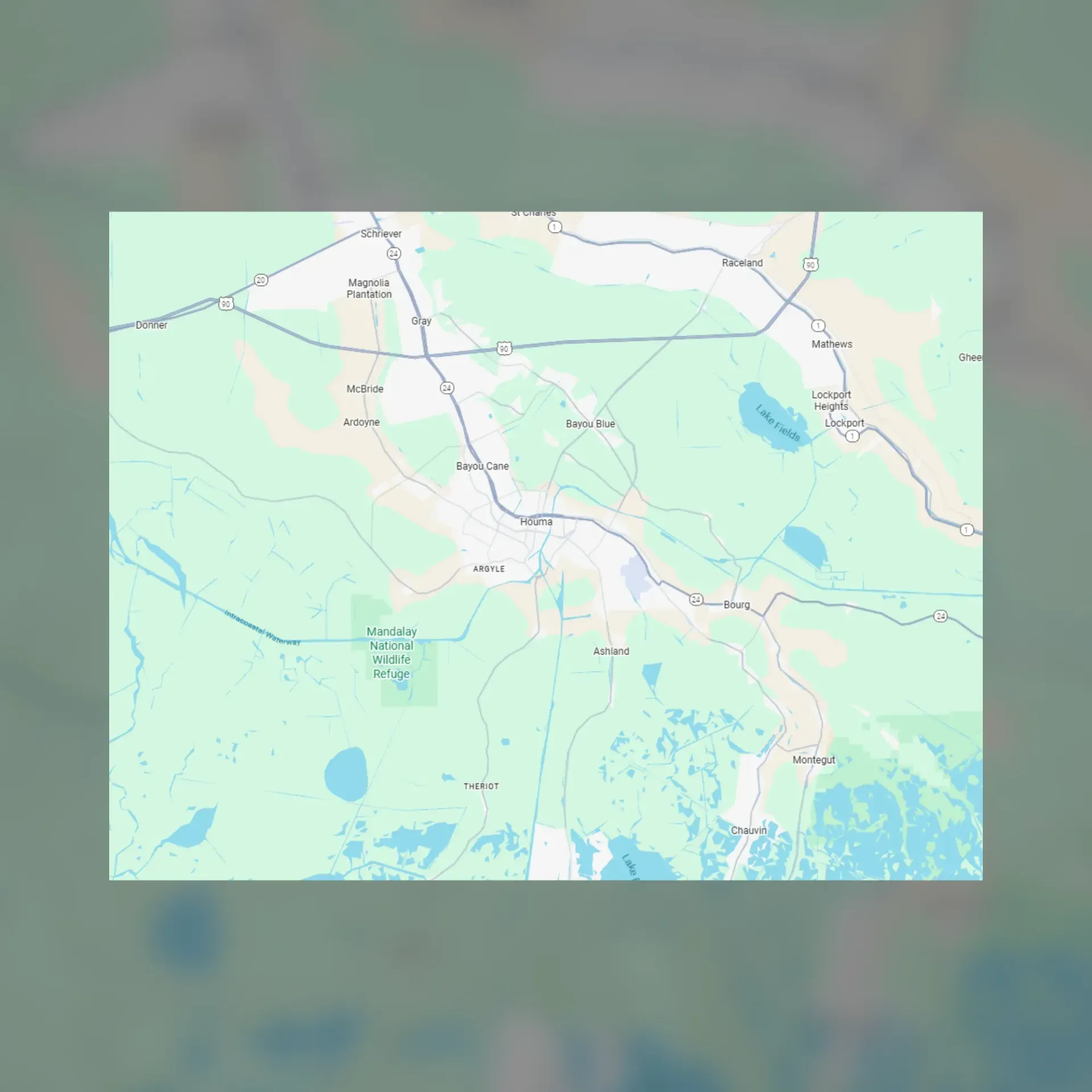
Louisiana Tint Laws (2026): What’s Legal for Car Window Tinting?